Overcoming Post-TACE Drug Resistance in Hepatocellular Carcinoma: Innovative Solutions
In the fight against hepatocellular carcinoma (HCC), a significant challenge emerges during treatments like transcatheter arterial chemoembolization (TACE). While TACE is recognized as a first-line therapy, many patients experience drug resistance, primarily due to the dual hypoxia microenvironment created by both the tumor and the therapeutic intervention. Recent research has unveiled promising new strategies to tackle this issue, specifically by employing advanced materials capable of enhancing the effects of TACE.
The Dual Hypoxia Dilemma
HCC often exists in a hypoxic state, which means it lacks adequate oxygen. TACE compounds this issue by inducing further hypoxia, thus contributing to a cycle of drug resistance. The presence of hypoxia can elevate certain proteins—like hypoxia-inducible factor 1-alpha (HIF-1α) and vascular endothelial growth factor A (VEGF-A)—both of which play critical roles in cancer progression and drug resistance. Understanding these pathways is vital for developing effective therapies.
Innovative Approaches: Multicavitary Microspheres
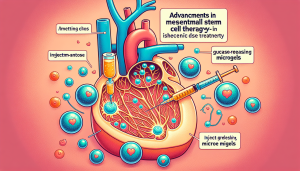
A groundbreaking study introduces multicavitary microspheres that are designed to encapsulate oxygen. These oxygen-saturated microspheres, termed oxygen-encapsulated magnetothermal drug-eluting microspheres (OTD-Ms), serve a dual purpose. They not only deliver chemotherapy drugs but also address the hypoxia that plagues HCC tumors. By improving oxygen transport within the tumor microenvironment during TACE, these microspheres can significantly mitigate hypoxia-related resistance mechanisms.
Key Findings from Recent Research
The research demonstrated that OTD-Ms effectively reduced levels of both HIF-1α and VEGF-A, subsequently diminishing the expression of P-glycoprotein (P-gp), a well-known mediatory of drug resistance in cancer. Notably, both in vitro and in vivo experiments confirmed the improved efficacy of TACE treatment, leading to enhanced survival rates in animal models.
Furthermore, the study showed that the incorporation of magnetic hyperthermia could further augment the effectiveness of oxygen delivery and drug release at the tumor site. This synergy not only increases the efficacy of TACE but also offers hope for developing more effective treatment protocols for HCC patients who are resistant to standard therapies.
Conclusion: A New Horizon in HCC Treatment
The introduction of innovative tools like multicavitary oxygen-encapsulated microspheres heralds a new age in cancer treatment, particularly for those battling HCC post-TACE. As researchers continue to explore these advancements, there is optimism that improved designs will not only improve patient survival rates but also enhance the quality of life for those affected by this challenging disease.
Implications for Future Research
Going forward, ongoing research must focus on optimizing the formulation of these microspheres and assessing their real-world applicability in clinical settings. The potential for integrating these advancements with existing treatment frameworks could redefine the therapeutic landscape for HCC, ultimately changing the prognosis for thousands of patients.
This blog aims to encapsulate cutting-edge research and advancements in the realm of HCC treatment, particularly in overcoming drug resistance. Should you have any questions or further interests in these developments, feel free to engage in discussion!