5 Alarming Signs of Lung Cancer That Every Nonsmoker Should Recognize
Lung cancer is often linked to smoking, but what’s alarming is that around 20% of individuals affected have never even touched a cigarette. According to Dr. Sonam Puri, a thoracic oncologist at the Moffitt Cancer Center, the stigma that lung cancer is solely a smoker’s disease can be misleading. In fact, there are numerous factors—ranging from genetic predisposition to environmental exposures—that can contribute to lung cancer’s development. This makes it vital for everyone, especially nonsmokers, to be aware of early warning signs.
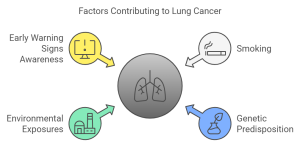
Here are five critical signs to watch for:
1. A Persistent Cough That Refuses to Go Away
If you’ve been dealing with a cough that lingers for weeks or even months, it’s time to take notice. Dr. Veronica Chiang, an oncologist at Yale University, states that a chronic, hoarse cough is often the first symptom her lung cancer patients experience. While coughs can be symptomatic of various issues—like colds and infections—if yours lasts longer than two weeks and shows no signs of improvement, consult a healthcare professional. Persistent coughs can be linked to bronchial tumors pressing against the lungs and the respiratory tract.
2. Unexplained Aches and Pains
Chest pain can be mistaken for anxiety or asthma, but it can signal lung cancer as well. Ashley Vassallo’s journey to diagnosis was initially clouded by misdiagnoses, leading doctors to overlook the tumor causing her excruciating pain. If you feel unusual pain in your chest or any new, troubling aches, discuss it with your doctor, as these discomforts can indicate complications from lung tumors.
3. Sudden and Unexplained Shortness of Breath
Shortness of breath can be distressing, especially for those who lead active lifestyles. Vassallo, who was training for a half marathon, found herself winded after minimal exertion. Lung cancer can lead to inflammation or fluid buildup in the lungs, making even simple tasks like folding laundry feel exhausting. Sudden changes in your ability to breathe, particularly if accompanied by a previously healthy lifestyle, should be evaluated by a medical professional.
4. Unintended Weight Loss
Unexplained weight loss—around 10 pounds or 5% of your body weight—can be a critical red flag. Dr. Chiang highlights that this symptom is often associated with various cancer types, including lung cancer. Cancer can cause a sudden decrease in appetite and an increase in energy expenditure as the body fights against the disease. If you notice significant weight fluctuations without any changes in diet or lifestyle, reach out to your healthcare provider.
5. Unusual Development of Blood Clots
A startling 10% of cancer patients develop blood clots due to various factors like “sticky” blood from tumors or prolonged inactivity. Sudden swelling, redness, or cramping in the legs or arms can signify a clot. If you’ve experienced sudden breathlessness or chest pain along with these symptoms, seek immediate medical attention.
Understanding the Risks
While lung cancer can develop without clear causes, factors such as chronic exposure to pollutants or inherited genetics can increase risk. One often-overlooked element is radon—an odorless gas that can accumulate in homes. Testing your living environment is crucial, especially if you reside in high-radon zones.
Dr. Puri emphasizes that seeking medical advice when concerned is crucial. Lung cancer screenings should not be limited to those deemed high risk, especially if symptoms arise.
Conclusion
Being aware of these five signs can potentially save lives. If you notice any of these symptoms persisting or worsening, don’t hesitate to consult your doctor. Early detection is key in fighting lung cancer, even for those who have never smoked.
Your health is your top priority. Stay informed and stay proactive!
For more health-related insights and articles, subscribe to our newsletter or follow us on social media. Don’t forget to share this article with loved ones—knowledge is power when it comes to health!